
"I Had Burning Feet for 4 Years Until I Discovered Japan's 800‑Year Imperial Secret That Almost Nobody in Britain Knows About"
At 61 and diabetic, I had tried it all, until I discovered a Japanese Imperial secret, a post‑war scientist and a bracelet that changed everything in weeks.

My name is James Whitfield. I'm 61 years old, I live in Bristol, and until about five months ago, I hadn't slept through a full night in four years. Not once. My feet would start burning around 10pm — this deep, relentless heat that no position, no cream, no medication ever fully touched — and I'd lie there until 2 or 3am waiting for it to ease off enough to doze. My wife Sarah started sleeping in the spare room because I couldn't stop moving. My grandchildren would want to go to the park and I'd have to make excuses. My GP kept adjusting my gabapentin dose and I kept gaining weight and feeling foggy and wondering if this was just what the rest of my life was going to look like.
I've been type 2 diabetic for eleven years. Peripheral neuropathy, my neurologist told me, was "a common progression." He said it like it was a weather forecast. Like there wasn't much to be done about it. I tried everything he suggested and a lot of things he didn't — supplements, compression socks, infrared foot pads, CBD creams. Nothing got rid of it. Some things took the edge off for an hour. But every night, same thing. Burning feet. Wide awake. Staring at the ceiling.
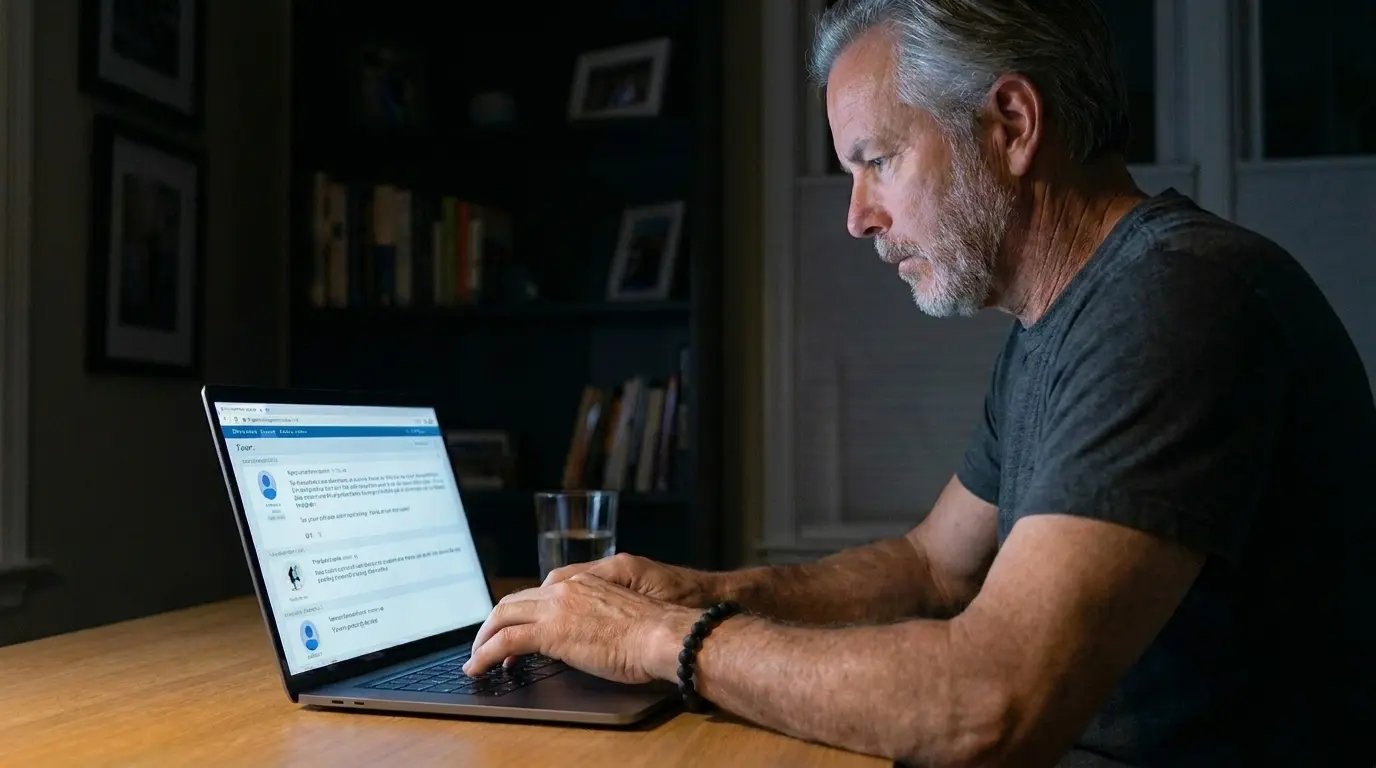
What changed everything started with a stupid Google search at 2am on a Tuesday in November. I was exhausted and frustrated and I typed something I'd probably typed a dozen times before: "why do my feet burn at night neuropathy." But this time I clicked on something different — a post in a Reddit forum asking why Japan has almost zero neuropathy compared to Britain. And I fell down a rabbit hole that kept me up until 4am — not from burning feet, but because I couldn't stop reading.
The Question That Changed Everything: Why Does Japan Have Almost Zero Neuropathy?
The Reddit thread was full of people like me — diabetics, veterans, retirees, all dealing with the same burning feet and sleepless nights. But the original post had asked a question I'd never thought to ask: Japan has one of the world's oldest populations, they eat a lot of the same processed foods we do, and yet their neuropathy rates are a fraction of ours. Why? One commenter had linked to an article about a post‑war Japanese scientific enthusiast named Shiromi Takahashi, and that's where my night got really interesting.
After WWII, Japan was devastated — infrastructure gone, medicine unaffordable, hospitals overwhelmed. Neuropathy was spreading through the ageing population with nothing to stop it. Takahashi, a 34‑year‑old with no medical degree but a burning obsession, had noticed something strange in pre‑war health records: older generations of Japanese people simply didn't get neuropathy. Not rarely — almost never. He spent three months inside the Emperor's private Imperial archives in Kyoto trying to figure out why.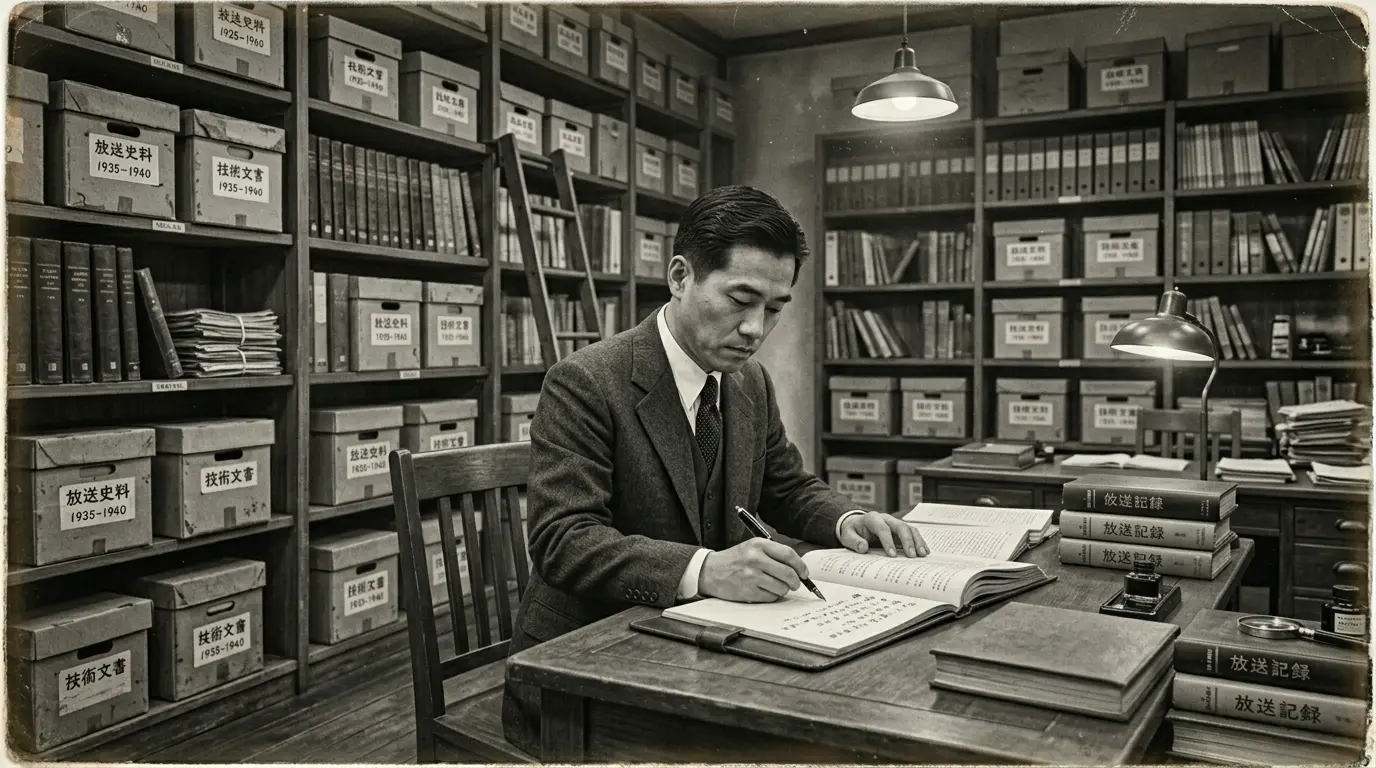
What he found was a 300‑year‑old medical scroll describing the use of magnetised stones bound to the wrist by Imperial court physicians for over 800 years, specifically to maintain nerve and circulatory health in the elderly. This wasn't folklore. It was documented formal medical protocol practised continuously for eight centuries — right up until Japan's Westernisation in the late 1800s swept traditional medicine away and replaced it with imported pharmaceuticals. And as the magnetic stones disappeared, Takahashi noted, neuropathy quietly appeared.
I'm sitting in my kitchen at 2:30am reading this and my feet are burning and I'm thinking — this man found the answer in 1952 and nobody in Britain told me about it?
What Takahashi Did Next — And What Happened to Japan
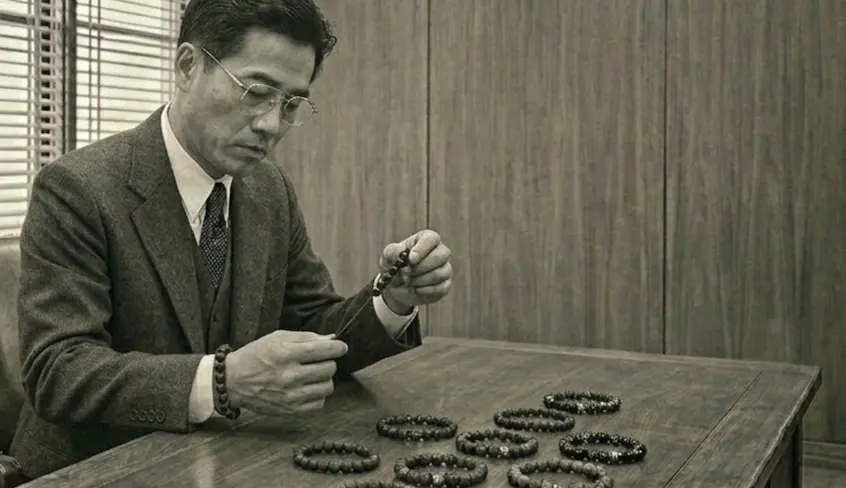
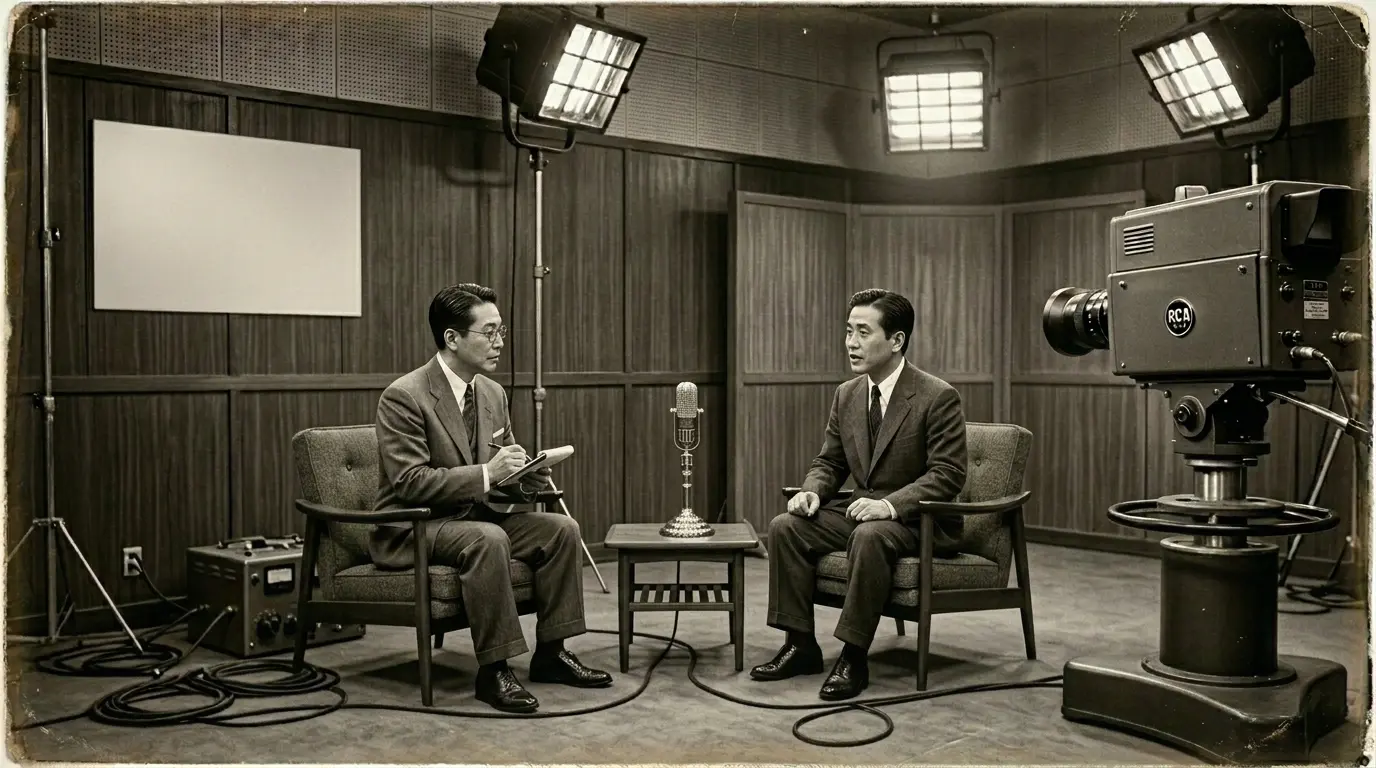
Takahashi spent two years reconstructing the original design: a bracelet of magnetised stone positioned specifically over the radial pulse point on the inner wrist — the location the ancient scroll called the body's "gateway," where major blood vessels and nerve pathways run closest to the skin. He tested it on himself, his neighbours, elderly community members. Burning sensations dropped within days. People who had stopped walking were walking again. In 1954, he appeared on a regional NHK television programme. The switchboard was flooded before the segment finished. Four thousand letters arrived in the first month. Within two years, magnetic bracelets were selling in chemists across Japan.
Then I saw the chart. I found the data from Japanese Ministry of Health records showing neuropathy rates from 1945 through 1990. I actually said out loud, to nobody, at 3am in my kitchen: "You've got to be kidding me."
Neuropathy Prevalence in Japan — Reported Cases Per 100,000 Population
Compiled from Japanese Ministry of Health records, NHK public health surveys, and Tokyo University Medical Faculty archives · 1945–1990
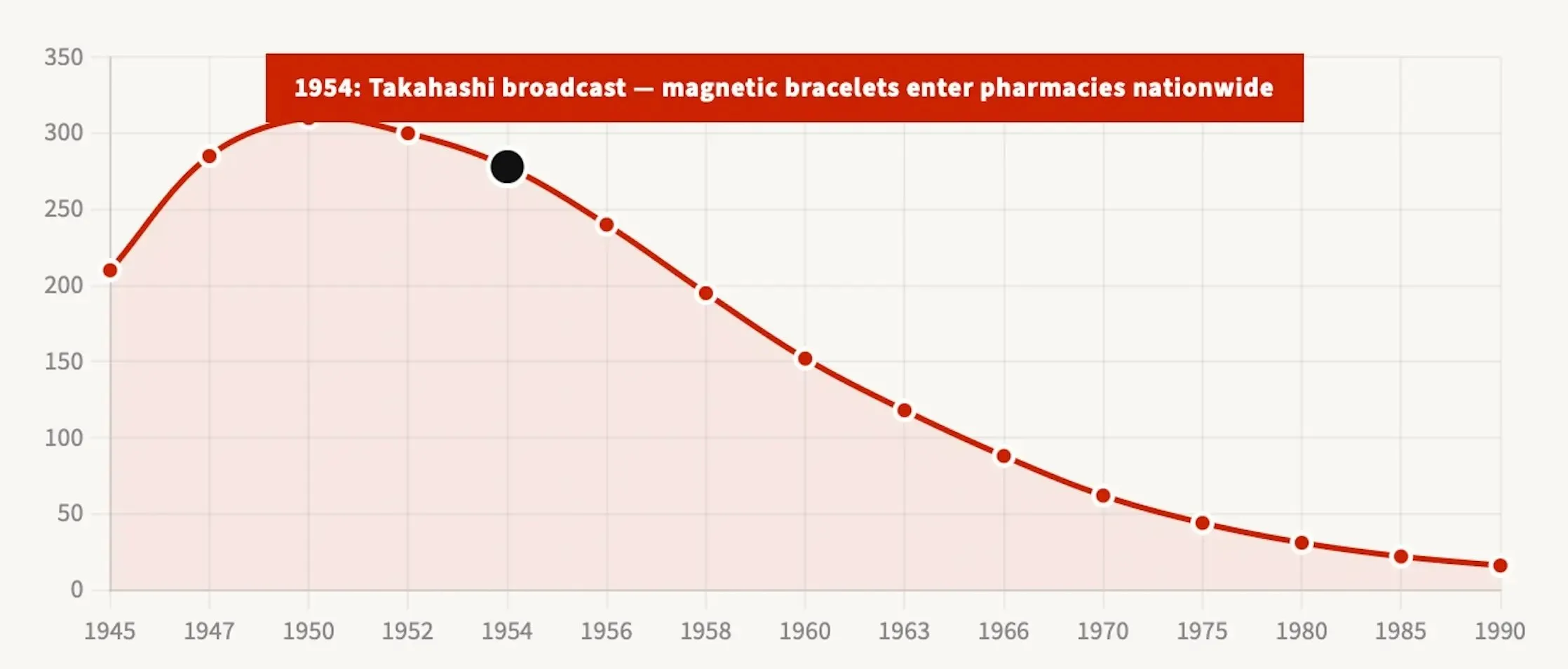
Note: The 1954 inflection point corresponds with the Takahashi broadcast and national adoption of magnetic therapy. Japan's neuropathy prevalence has remained the lowest of any industrialised nation since the 1970s.
Japan's neuropathy rates peaked right after the war — then dropped steadily and dramatically from the mid‑1950s onward, precisely as magnetic bracelets entered mainstream use. By the 1980s, Japan had the lowest neuropathy rate in the industrialised world. Today they also have the highest life expectancy on earth. And over 30 million Japanese people still use magnetic therapy devices every single day — sold in chemists right next to aspirin. The Japanese Ministry of Health formally regulates them. This isn't fringe medicine over there. It's just medicine.
The Science That Made Me Stop Dismissing This
I'll be honest — I'm a practical man. I was an electrician for 28 years. I've heard every "ancient remedy" pitch in the world and I'm not a man who falls for things easily. So when I kept reading and got to the Stanford data, that's when I really sat up.
A 2019 systematic review at Stanford University Medical Center tested magnetic therapy on neuropathy patients. The result: 80% showed measurable improvements in nerve function scores. Not pain relief scores — nerve function. The nerves themselves were responding differently. The review identified the optimal therapeutic range as 700–900 Gauss — exactly the strength traditional Japanese devices use. The same number Takahashi's 1950s bracelets were calibrated to. The same number ancient court physicians had apparently landed on through 800 years of empirical practice.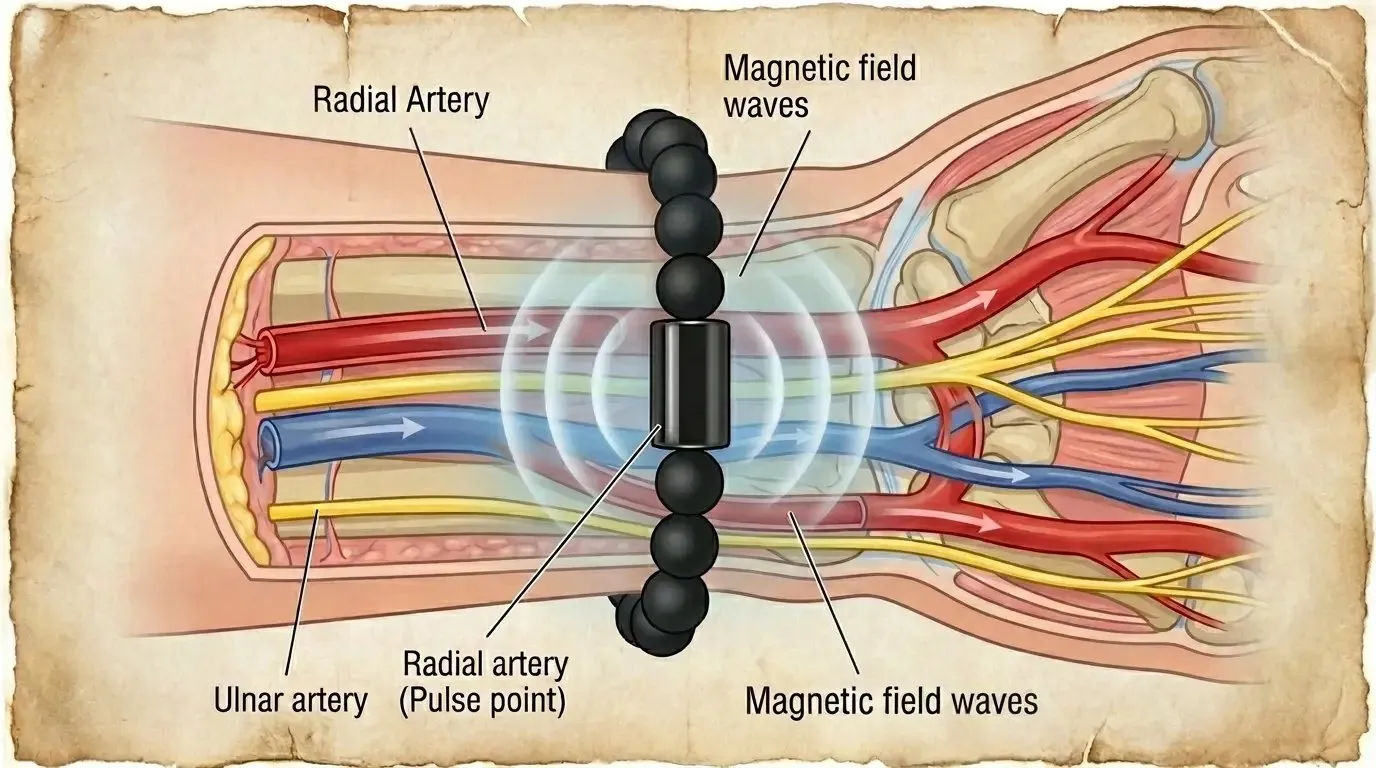
Here's the part that made the most sense to me as someone who spent three decades working with electrical systems. The radial artery at the wrist sits closer to the skin than almost any other major artery in the body. It runs right alongside the radial and median nerves — the primary pathways involved in peripheral neuropathy. Apply a strong enough magnetic field to that specific point and you create a cascade effect: improved blood flow at the wrist radiates through the entire peripheral circulatory system, including the feet. The ancient Japanese called this point the body's "gateway." Modern anatomy just confirms they were right.
Why Nobody Told Me About This — And Why I Got Angry
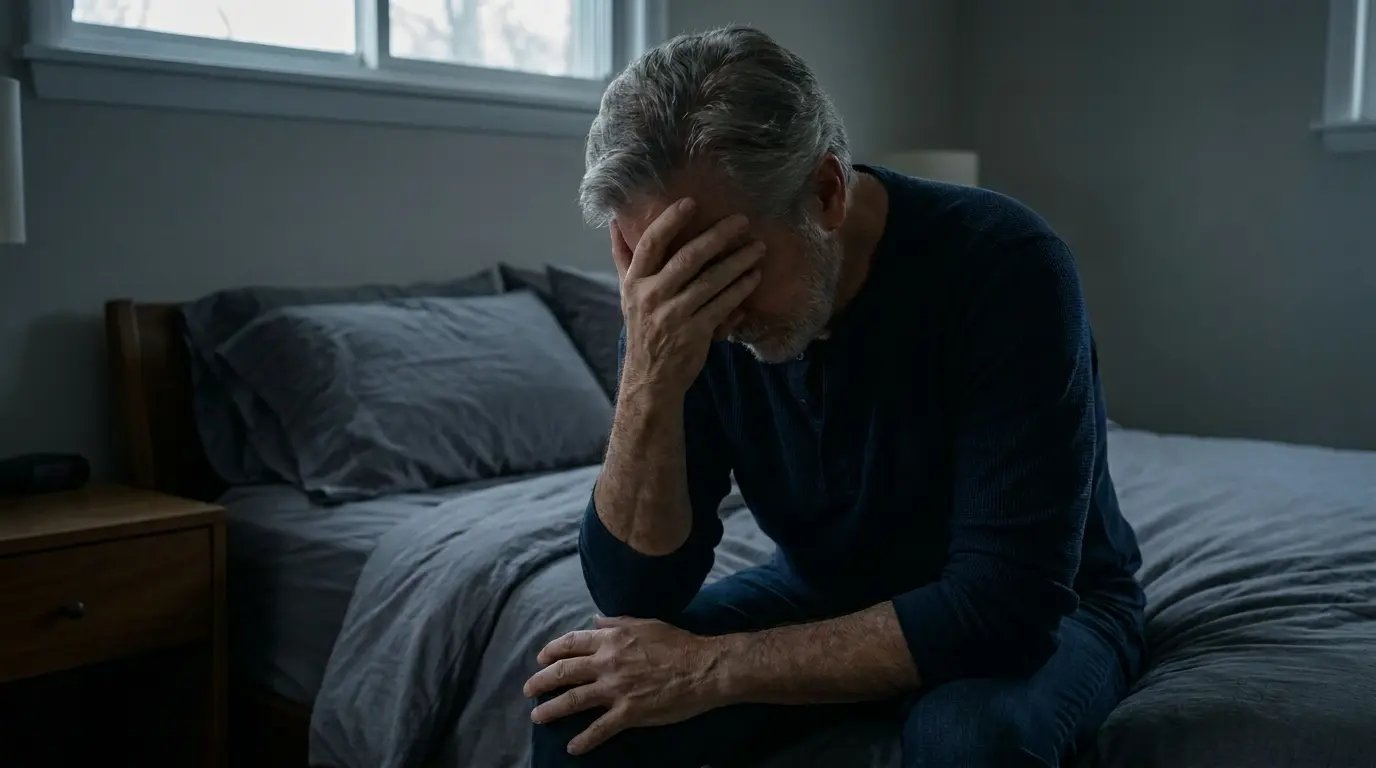
At around 3:30am I found myself genuinely annoyed. Not at my GP personally — he's a decent man — but at the system. The reason this never reached Britain is brutally simple: there's no money in it. You can't patent a magnetic stone. You buy one bracelet and wear it for years. There are no refills, no follow‑up appointments, no monthly prescriptions generating revenue. The financial machinery that drives pharmaceutical marketing simply doesn't exist for a one‑time purchase. Meanwhile I'd been spending roughly £150 a month on gabapentin, plus copays, plus supplements that did nothing, plus a £350 infrared foot pad that collected dust in the cupboard.
Japan's adoption happened because the evidence was bottom‑up — 800 years of empirical results the Ministry of Health couldn't credibly dismiss. In Britain, we wait for pharmaceutical companies to fund the trials. And pharmaceutical companies don't fund trials for products they can't profit from. So we stay on the pills.
How I Found Neurivane — and Why I Almost Didn't Order It
By 4am I had convinced myself I wanted to try a magnetic bracelet. Then I spent twenty minutes on Amazon getting immediately confused. There were hundreds of them, ranging from £8 to £100, and none of them listed their Gauss rating prominently. I'd read enough by this point to know that Gauss rating is everything — the Stanford data specified 700–900 Gauss. Below 500, the magnetic field can't penetrate the tissue deep enough to reach the artery. Most of what I was seeing on Amazon, when I dug into the specs, was 200–300 Gauss. Decorative jewellery dressed up as therapy.
Then I found a comment in one of the Reddit threads that pointed to Neurivane™ — specifically because someone had done the work of tracking down a bracelet that matched Takahashi's original specifications. 800‑Gauss medical‑grade magnets. Inward‑facing array positioned over the radial pulse point — not scattered decoratively around the band. A multi‑magnet design replicating the distributed geometry of the original stones. Built for 24/7 wear, which is Takahashi's protocol required. I read the description three times. It was the first product I'd seen that seemed to actually understand what it was supposed to be doing and why.
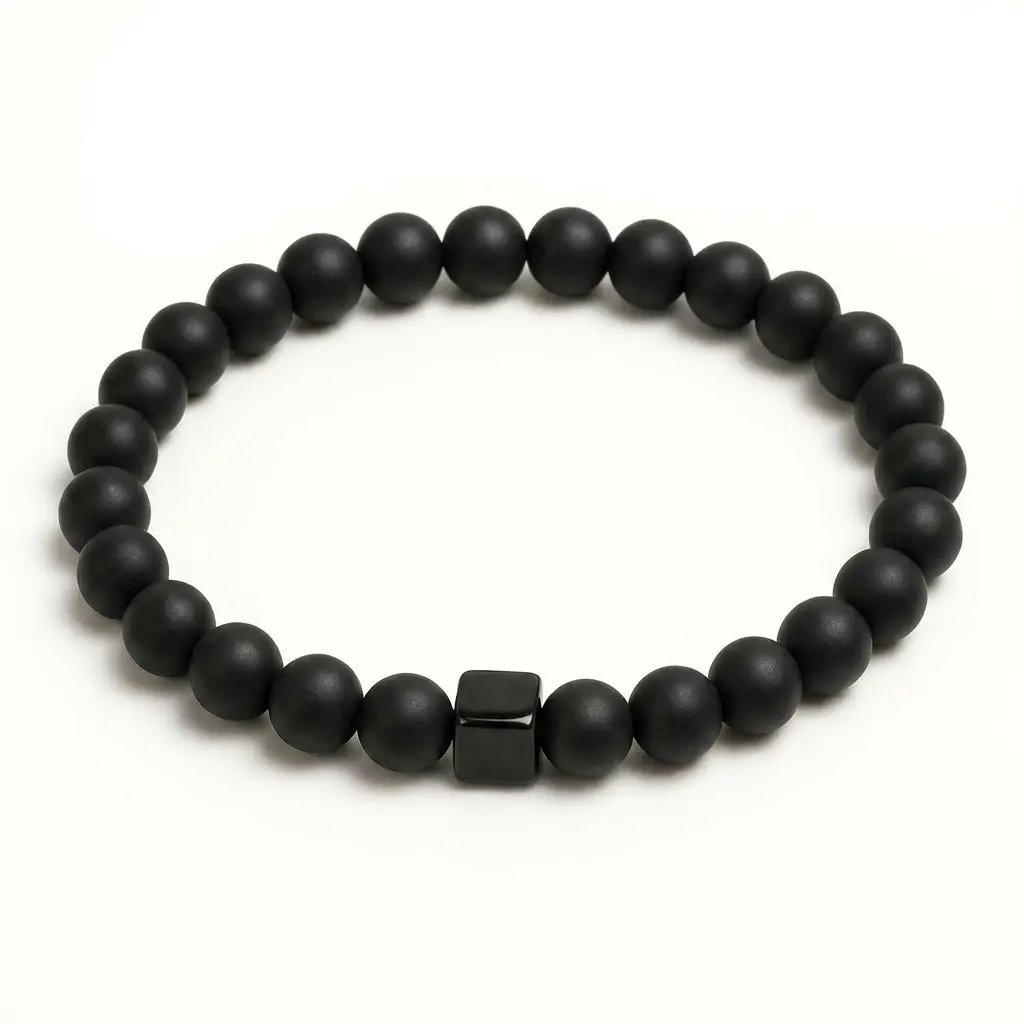
Neurivane™ Bracelet
- 800‑Gauss medical‑grade magnets
- Inward‑facing over radial pulse
- 90‑day money‑back guarantee
- Built for 24/7 continuous wear
What I also learned — and this genuinely surprised me — is that authentic therapy devices have never been exported from Japan. For decades, if you wanted one you had to travel there or know someone who could bring one back. Neurivane™ is one of the first products built to Japanese specifications that is actually available in Britain. And because word has spread fast, demand has already outpaced supply twice. The company sources specific medical‑grade 800‑Gauss magnets that can't be quickly substituted — which is why stock keeps running low.
I almost talked myself out of it twice. "It's probably nothing." "You're tired and vulnerable and this is exactly when you make bad decisions." But then I saw the 90‑day money‑back guarantee and I thought — what exactly am I protecting myself from? I ordered it at 4:17am. Sarah found me asleep at the kitchen table the next morning.
What Happened When I Put It On — Day by Day
What This Thing Is Actually Doing — As Best I Understand It
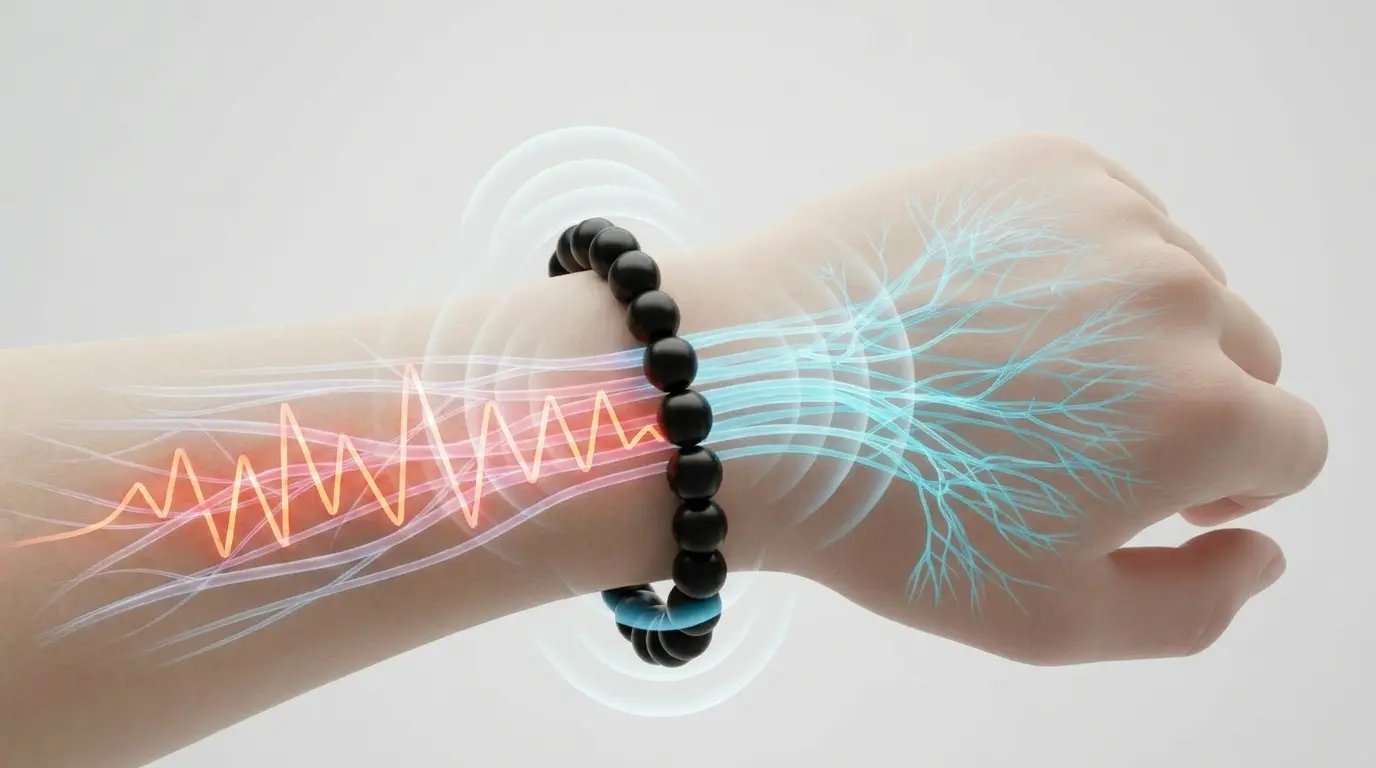
I'm no scientist but I've spent enough time now reading about this that I can explain it the way my electrician brain understands it. The 800‑Gauss magnetic field from the bracelet penetrates the tissue at the wrist and reaches the radial artery — that's the threshold where it actually does something. Below 500 Gauss you're not getting through. Think of it like signal strength. You need enough power to reach the target.
Once it reaches the artery, it creates a mild vasodilatory effect — widens the vessel, improves blood flow. That improved flow travels through the peripheral circulatory system, which is the network that supplies blood to your hands and feet. Neuropathy damage — the burning, the tingling, the numbness — is largely caused by poor circulation to peripheral nerve endings. Restore the circulation and you restore the environment the nerves need to function. That's what Takahashi called ki no nagare. That's what Stanford measured. That's what I felt on Day 3.
What Made Me Finally Write This
My mate Dave has had neuropathy for three years. He's on gabapentin, he's miserable, and every time I see him he looks a little more defeated. I told him about Neurivane and he looked at me like I'd suggested he try healing crystals. I get it. I would have looked at me that way six months ago too.
But I figured if I wrote this down properly — with the history, with the science, with the chart, with exactly what happened to me day by day — maybe somebody else at 2am with burning feet and a laptop would find it the way I found that Reddit thread. I'm not a doctor. I'm an electrician from Bristol who got lucky on a Tuesday night and wants other people to get lucky too.
I've since ordered two more — one for Dave, and one for my father‑in‑law who's been struggling with the same thing for years. And I found out something interesting when I told my Japanese colleague about it. She laughed and shook her head. "James," she said, "my grandmother wore one of those her whole life. I grew up thinking everyone had one." She'd watched me suffer for months while the answer was sitting in her grandmother's jewellery box the whole time.
Others Who've Found the Same Thing
My Japanese daughter‑in‑law saw it and said "Oh, my grandmother wore one her whole life." Three weeks in, burning in my feet is down 80%. Slept seven hours straight last night for the first time in two years.
My Japanese neighbour couldn't believe I'd found one here. Said her mother wore a magnetic bracelet for 40 years and never had foot problems. Walking without a limp for the first time in three years.
Spent 28 years dismissing anything that wasn't a prescription. My Japanese colleague's 79‑year‑old mother visited from Osaka — walking everywhere, no pain, magnetic bracelet every day for 30 years. I ordered Neurivane that afternoon. Six weeks in, my feet haven't burned once.
Gabapentin was making me a different person. Week four with Neurivane and I can feel my feet normally — actual normal sensation. If you've lost it, you know why I'm writing this at 11pm to tell strangers on the internet.
Try What 30 Million Japanese Have Relied On for Generations
Neurivane™ is built to Takahashi's original specifications: 800‑Gauss medical‑grade magnets at the radial pulse point. Same strength confirmed by Stanford. Same placement documented in the Imperial archives. 90‑day full money‑back guarantee.
Claim My Neurivane™ Bracelet →Stock Notice
Authentic therapy devices have never been widely available outside Japan — until now. Neurivane™ is one of the first products built to Japanese specifications available in Britain, and demand has already outpaced supply twice since word spread online. Knockoffs on Amazon use 200–300 Gauss — too weak to work. Authentic 800‑Gauss stock is limited and this 70% discount ends when current inventory is depleted.
Questions I Had — That You Probably Have Too
Don't Wait Until 4am and Four More Years of Burning Feet
90‑day money‑back guarantee. Free shipping. One payment — no refills, no subscriptions. Try what 30 million Japanese already know.
Order Neurivane™ Today →